
The Role of Design in Driving Conversions
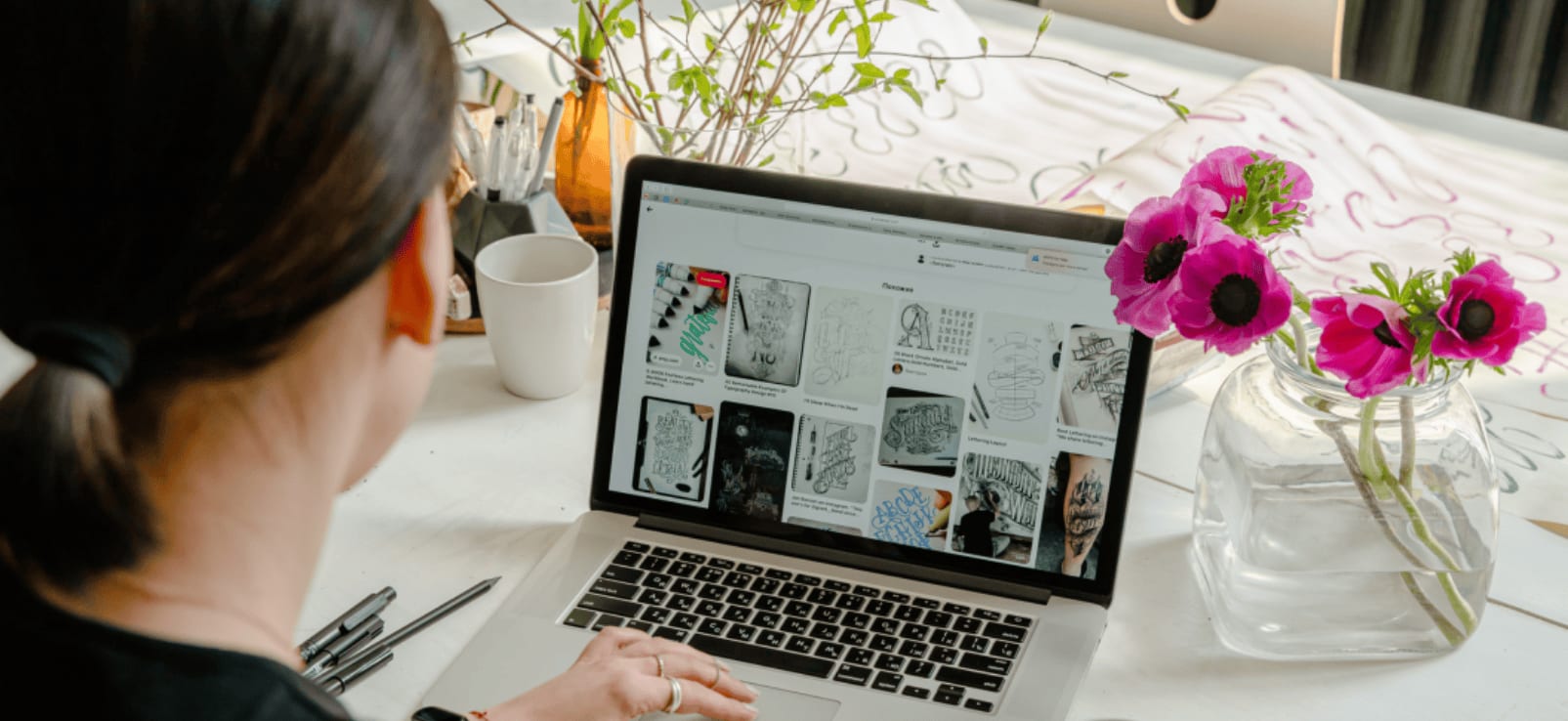
A lot goes into driving conversion for your business; your offer, your entire sales process, your copy, especially your design. Well-designed creatives allow your audience to have a smooth, engaging, and memorable interaction with your brand making it more likely for them to take desired actions such as making a purchase, signing up for a service, or recommending the product to others.
In this article, we’ll go through the roles design plays in driving conversions.
First Impressions
First impressions are important in any context where design interacts with users. Whether it's a product on a shelf, a billboard on the highway, or a digital interface, the initial encounter can significantly influence a user's perception and behaviour. Research shows that people form first impressions within milliseconds, and these impressions are heavily influenced by design-related elements such as aesthetics, layout, and visual appeal.
Trust and Credibility
Trust is a cornerstone of successful conversions. A well-designed advertisement or product conveys professionalism and reliability, which are essential for building trust. Users are more likely to engage with and convert on a product that looks credible. Elements such as a clean layout, high-quality images, and consistent branding contribute to a sense of trustworthiness. In contrast, a poorly designed product can raise red flags and cause users to question the legitimacy of your business.
Design Elements that Influence Conversion Rates
Colour Scheme
Colours have a profound effect on human emotions and behaviour. Different colours evoke different feelings which can help influence users' decisions. For example, blue is often associated with trust and calmness, while red can evoke excitement and urgency. Using contrasting colours for call-to-action (CTA) elements can make them stand out and encourage actions. Here’s a simple trick: Always choose a colour scheme that aligns with your brand's identity when trying to appeal to your target audience. This consistency helps reinforce brand recognition and fosters a stronger connection with your audience.
Typography
Typography is another critical design element that affects readability and user engagement. Clear and legible fonts help users process information effortlessly. Using a combination of font styles and sizes can create visual hierarchy, guiding users' attention to important content. For instance, larger and bolder fonts can highlight headings and key messages, while smaller fonts can be used for body text. Ensuring consistency in typography across different mediums enhances the overall user experience.
Imagery
Images should be sharp, well-composed, and aligned with your product's message and purpose. High quality visual content, such as relevant product photos, illustrations, and infographics, can effectively communicate messages and enhance storytelling. Using authentic images of real people, rather than generic stock photos, creates a more genuine and relatable experience for users. Incorporating more of these authentic visuals into your designs will significantly increase user engagement and connection with your brand.
Call-to-Action (CTA) Elements
Prominent and clear CTAs are crucial for guiding users towards conversion. CTAs should be strategically placed, easy to spot, and compelling. The language used in CTAs should be action-oriented and convey a sense of urgency or benefit, such as "Buy Now," "Sign Up Today," or "Download Free Guide." The design of CTA elements, including their size, colour, and placement, should draw users' attention and encourage actions.
Mobile Optimization
With the growing use of mobile devices, ensuring that designs are optimised for mobile view is essential. Mobile optimization involves creating designs that adapt seamlessly to different screen sizes and orientations. This includes using flexible layouts, icons that help navigation, and optimising images and content for mobile viewing. A mobile-friendly design enhances accessibility and convenience, making it easier for users to interact with the product and convert on mobile devices.
To optimise your design for better conversion rates, consider the following practices:
Keep it Simple
Simplicity in design helps users focus on important elements without being overwhelmed by clutter. A clean and minimalist design can enhance usability and create a more pleasant interaction.
Use Social Proof
Testimonials, reviews, and ratings build credibility and trust, encouraging users to convert. Social proof leverages the influence of other users' experiences to validate the value of your product or service. Displaying positive feedback prominently can reassure potential customers and motivate them to take action.
A/B Testing
Regularly test different design elements to understand what resonates best with your audience. Continuously experimenting and optimising based on test results can lead to significant improvements in conversion rates.
Wrapping Up
Design plays a crucial role in driving conversions by shaping the user experience and influencing behaviour across various contexts. A well-designed product or experience creates positive first impressions, builds trust, and guides users towards desired actions.
Continuously refining and optimising design based on user feedback and behaviour analysis is essential for staying competitive in the market. As user preferences and technologies evolve, so too should design strategies. By prioritising design and user experience, businesses can create engaging, effective products and experiences that convert potential customers into loyal advocates.