
Graphic Design Tips
Good Design Vs. Bad Design: How To Judge Design Quality
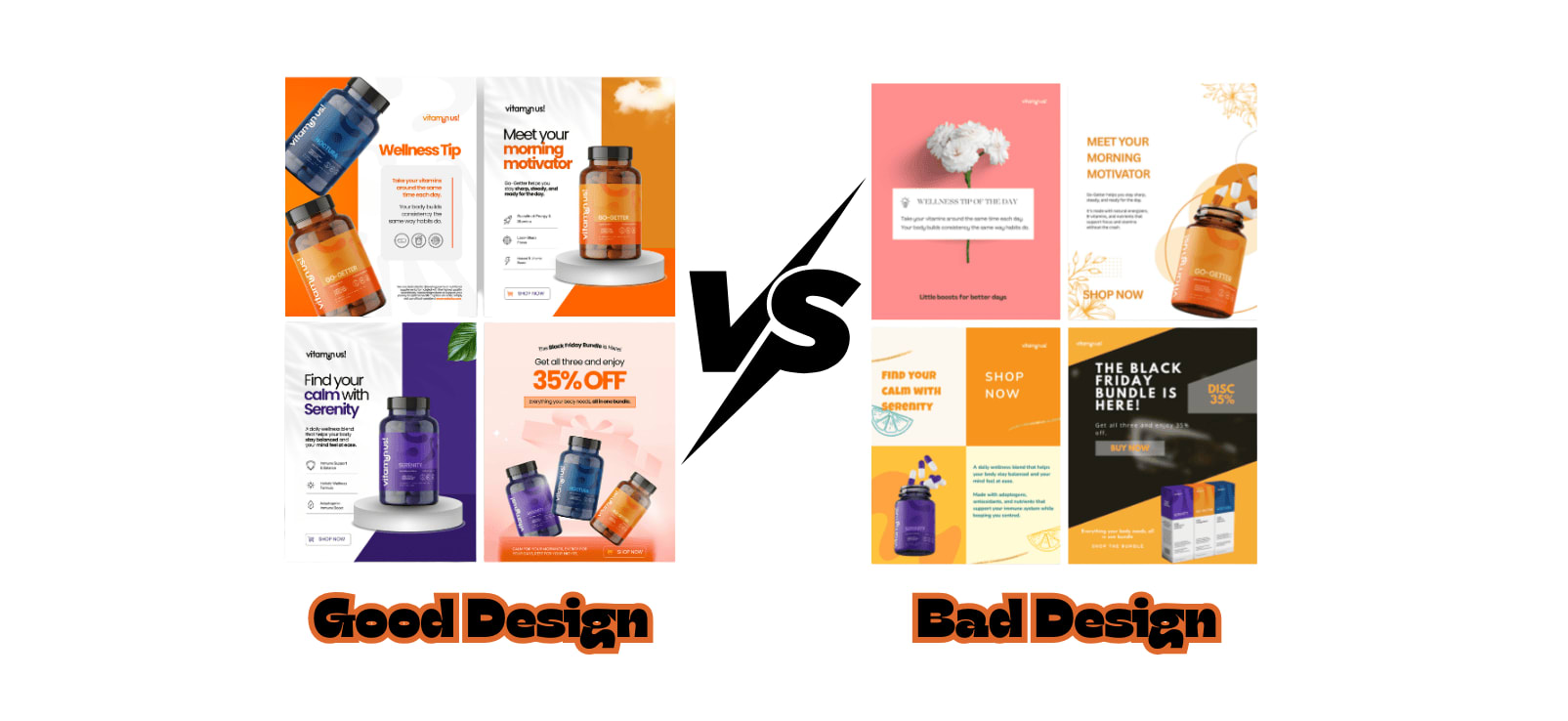
We have seen it all, the good, the bad, the ugly, and while design quality might feel subjective (beauty is indeed in the eyes of the beholder), the impact it has on your business is not. Good design guides your audience. It influences how they perceive you: do they trust you? Would they click that “buy” or “sign up” button? Bad design, on the other hand, just confuses people. It doesn’t clearly tell them what to do.
So, how important do small business owners think design really is? According to a survey by 99designs, 80% of small business owners rate the design of their logo, website, and marketing materials as either “very important” or “important” to the success of their company.
This shows that small business owners do care about design. The challenge is that while they can sense when something looks off, they often don’t know why it looks wrong or what makes good design good.
Don’t worry, by the end of this article, you’ll have a clear framework to judge design like a professional. You’ll understand the key principles that separate good design from bad design, and practical ways to evaluate any creative before it goes live. With this knowledge, you can make better design decisions that actually drive results for your business.
What Is “Bad Design”?
Bad design is design that makes people pause, and not in a good way. It creates questions instead of communicating the message across.
“What is this?”
“What am I supposed to do?”
“Where do I look first?”
“Is this a real business?”
When your audience asks themselves these questions just know that your design has failed you. When a design is bad, the audience becomes confused, or overwhelmed.
Bad design often happens when everything is competing for attention: too many colours, fonts that don’t match, text squeezed into strange places, elements misaligned, or visuals that don’t reflect the brand at all. Nothing guides your audience.
What Is “Good Design”?
Good design is design that does its job. It communicates quickly, guides the viewer naturally, and makes your business feel put-together and trustworthy. When a design is good, people don’t struggle to understand it, their eyes know exactly where to go. The headline is clear, the message is obvious, the action is unmistakable.
Good design also has an intention behind it. The colours match the mood of your brand, the fonts feel like your personality, the spacing gives the content room to breathe, and nothing is shouting for attention unnecessarily. It’s not just beautiful; it’s functional. Most importantly, good design moves your audience closer to taking action such as: reading more, clicking through, signing up, booking, or buying. It earns you trust without asking for it.
What Bad Design Looks Like
Bad design, in simple terms, is any design that’s unpleasant to the eye or fails to communicate its purpose clearly. Many small business owners approve designs that “look okay” because they aren’t trained to spot deeper issues, but bad design eventually reveals itself in performance. Poor brand perception, or customers ignoring the message are all signs that something is wrong.
One major indicator is visual overload. When there’s too much going on such as: crowded layouts, too many fonts, too many colours, too many icons, the design becomes overwhelming rather than effective. Instead of guiding the viewer, it forces them to work harder to understand the message, and nobody has the time for that. People are scrolling quickly and attention spans are short, no one pauses to decode a confusing design.
Another common problem is poor contrast and readability. If the text blends into the background, the font is too small, or the colour combinations don’t support clarity, the design has failed at its most basic job: being readable at first glance.
Bad design also lacks visual hierarchy. When everything looks equally important, nothing stands out. The viewer’s eye doesn’t know where to go, so the message gets lost. This is especially damaging in ads, where you only have seconds to make an impression. A call-to-action that blends into the layout, for example, is a classic hierarchy failure.
You’ll also recognise bad design through off-brand colours and typography, when every post uses a different style or palette, the brand appears a bit off.
Finally, a common trap is approving designs that look “pretty” but don’t support a business goal. Aesthetics without strategy is one of the most expensive forms of bad design.
Example of Bad Design (Black Friday Bundle)

This design struggles with several of the issues outlined above. The multiple text blocks compete for attention instead of working together, and the strong, contrasting colours pull the eye in too many directions at once. There’s no clear focal point, no visual hierarchy guiding the viewer, and the message isn’t immediately obvious. As a result, the design feels overwhelming rather than persuasive, illustrating exactly how bad design can confuse your audience.
The Core Principles of Good Design
You could say that good design is simply the opposite of bad design, but it’s more than that. Good design is design that works. It’s visually pleasing, but it also fulfils the purpose it was created for. It communicates clearly, influences perception, and guides your audience toward a specific action.
At its foundation, good design is easy to understand. It communicates one main idea instantly. A viewer should grasp the message within seconds, without zooming in, rereading, or trying to interpret what the design is saying.
Good design is also functional. Every colour, line, shape, icon, piece of copy, and layout choice has a reason for being there. Nothing is random. A functional design guides the user naturally: read here, look here, click here, sign up here, buy now. It’s not just attractive, it’s effective.
Another crucial element is visual hierarchy. Good design understands what is most important and places it where the eye will go first. Headline, subtext, supporting text, and CTA are all arranged to communicate effectively. Good design knows what should be bold, what should be subtle, and how to lead the viewer through the message step by step.
Then there’s consistency. Repeating the same colours, fonts, spacing, and style across all design materials builds trust and recognisability.
Finally, good design prioritises accessibility and readability. Text is clear without zooming in, spacing is comfortable, colours contrast properly, and the message is easy to consume for everyone.
Example of Good Design (Black Friday Bundle)

Take a remake of this initial bad design.
The design is balanced, and easy to follow, with a clear visual hierarchy that draws attention to the 35% off offer. The product layout, colours, and CTA work together to create a premium, and persuasive promo.
Practical Tests: How to Quickly Judge If a Design Works
Design doesn’t need to be complicated to evaluate. As a small business owner, you don’t have hours to debate fonts or colours, you need a quick, reliable way to see if your design is working. Here are four practical tests you can apply instantly.
The 3-Second Test
Look at your design for just three seconds. Can someone understand what it’s about at a glance? If your message isn’t immediately clear, or the main call-to-action is lost, the design fails this test.
The Consistency Scan
Check colours, fonts, spacing, icons, etc. Do they all feel like part of the same brand? Inconsistent design reduces trust. Your creatives should speak with one voice, across every touchpoint.
The Alignment Check
Are elements visually anchored? Misaligned text, uneven margins, or unbalanced images affect how a viewer sees your design. Proper alignment gives your design structure and helps guide the eye.
The Purpose Check
Every element in a design should serve a purpose. Ask yourself: Does this guide the viewer to an action or outcome? Buttons should be obvious, headlines should lead to content, and images should reinforce the message.
By applying these simple tests, you can quickly spot design issues before they cost money, or credibility. You don’t need to be a designer to see whether your creatives work, you just need a structured way to judge them.
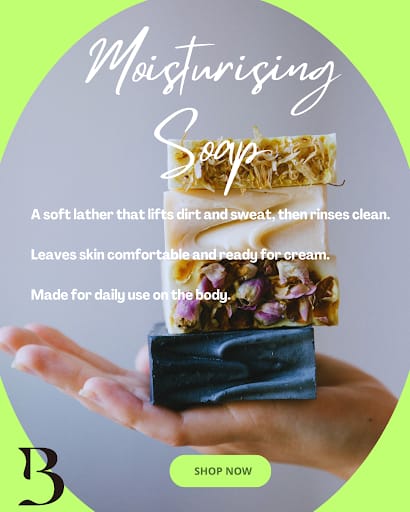
Bad Design: This design fails several of the practical tests. The text sits on a busy background, so the message isn’t clear within three seconds. The bright green shapes, mixed fonts, and uneven layout break consistency and alignment, leaving the overall composition feeling cluttered and distracting.
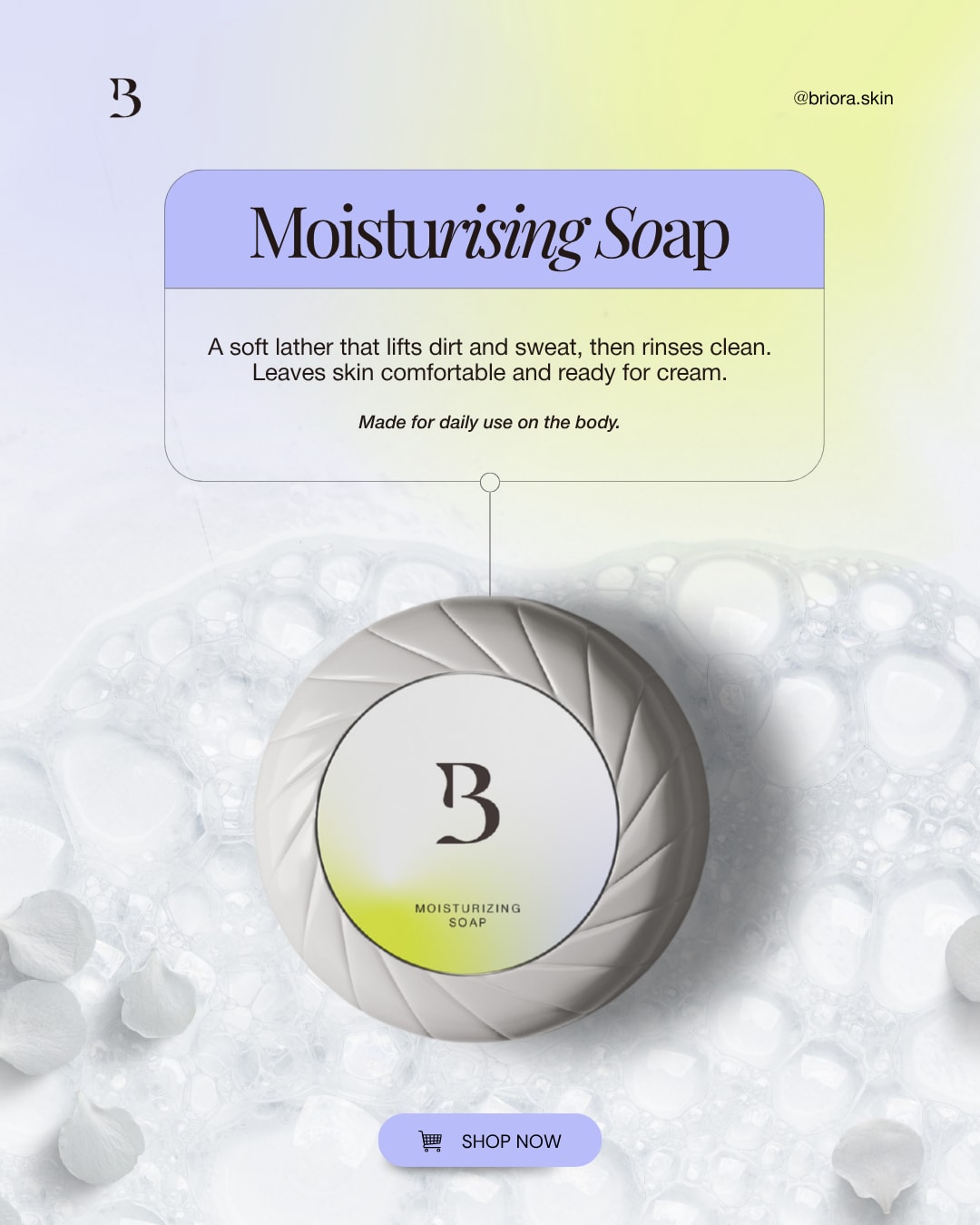
Good Design: This moisturising soap stack image passes every test. Its minimalist layout makes the message instantly clear, the product is the focal point, and the calm colour palette keeps everything consistent. Every element feels intentional, aligned, and purposeful showing exactly what strong, effective design should look like.
Why Most SMEs Struggle With Good Design
For many SMEs, design feels like a constant uphill battle. They care about looking professional, but without the right strategy, even good intentions fall flat. Freelancers may produce inconsistent work. Brand guidelines are often missing. Timelines are rushed, feedback loops break the design, and there’s rarely anyone leading the creative process. On top of that, designers who aren’t marketing-savvy may create designs that look nice but don’t drive results.
This is the gap that a design agency like Brand Mavins, fills. We work as your dedicated design partner, bringing strategy, expertise, consistency, and marketing insight to every project. By putting structure and intention into every design, we make sure your creatives not only look professional but actually move your audience to act.
How a Monthly Design Partner Solves These Issues
After seeing why so many small businesses struggle with design, it’s clear that what’s needed is a reliable design partner. That’s exactly what Brand Mavins provides.
With our £499/month plan, you get consistency across every creative: social media posts, emails, print, and marketing materials all feel like they belong to the same brand. Reliability becomes the standard, no more waiting weeks for one-off freelancers. Every design is strategy-led, guiding your audience, strengthening your brand, and driving action.
You also get dedicated support and predictable costs, so design is no longer a source of problems, and stress.
Conclusion
With Brand Mavins’ monthly plan, you get a dedicated design partner delivering strategy-led, consistent creatives across every touchpoint. Stop stressing over or losing opportunities due to poor design. Make it work for your business. Start your £499/month plan today and upgrade your brand quality consistently.